Battery Replacement Cost: When and What to Consider
Signs your battery needs replacing, what drives replacement cost, and how to decide between repair, replacement and a chemistry upgrade.
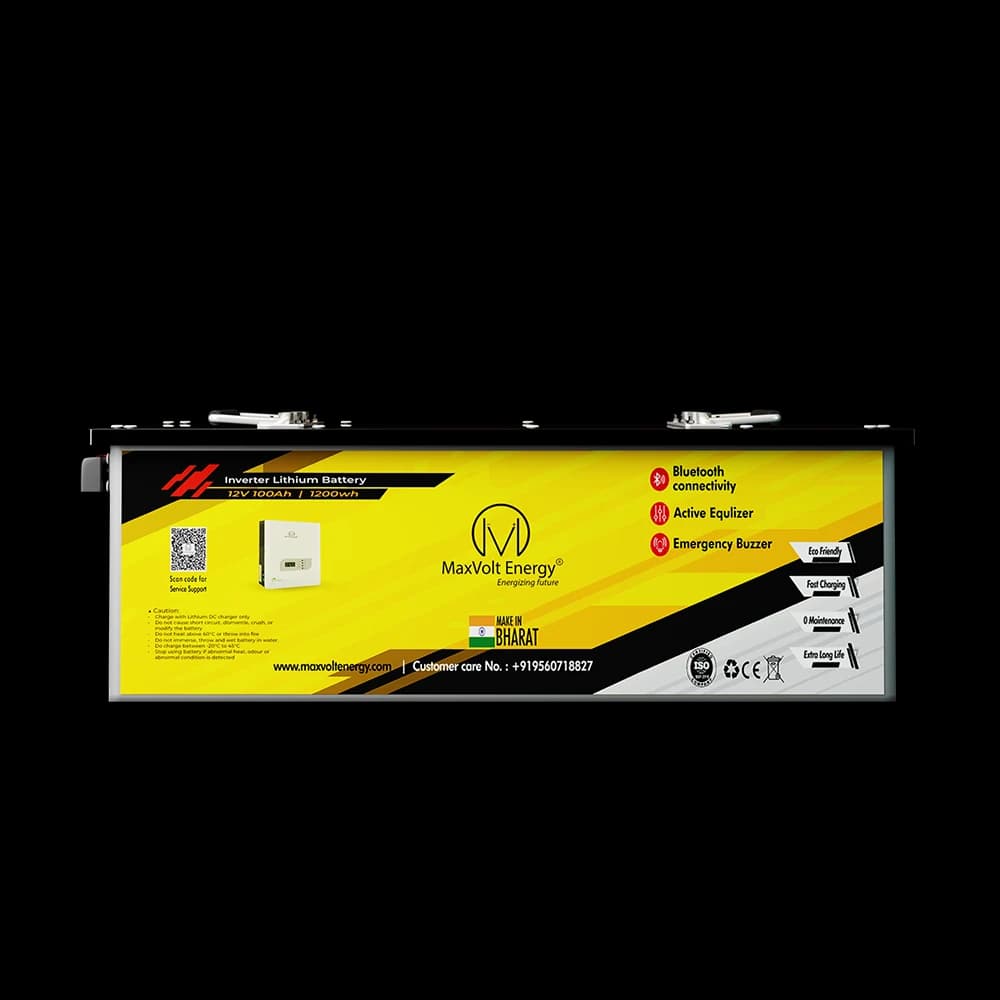
Every battery — lead-acid or lithium — reaches a point where replacing it makes more sense than continuing to run it. The question isn't just "how much does a new battery cost" but "is now actually the right time, and should the replacement be the same chemistry I had before."
This page covers the practical decision, not just the price tag.
Signs a Battery Needs Replacing
For EV batteries: noticeably reduced range on a full charge, longer charging times than usual, the vehicle struggling under load it previously handled fine, or a BMS repeatedly flagging faults.
For inverter/solar batteries: backup duration dropping well below what it used to provide, the battery reaching full charge unusually quickly (a sign of reduced capacity), or visible swelling/damage to the case — which for lead-acid also includes excessive water consumption or acid leakage.
Any physical damage, swelling, unusual heat during charging, or a burning smell warrants immediate replacement regardless of age — these are safety signals, not just performance ones.
What Drives Replacement Cost
The same factors as any new battery purchase — chemistry, capacity, voltage, BMS quality and certification — apply directly to a replacement. See our lithium battery price guide for the full breakdown.
One additional consideration for replacements specifically: if you're currently on lead-acid, a like-for-like lithium replacement usually costs more upfront than another lead-acid unit, but the total cost of ownership comparison in our lithium vs lead-acid guide is worth reviewing before defaulting to the cheaper immediate option.
Repair, Replace, or Upgrade Chemistry?
A BMS fault is sometimes repairable without replacing the whole pack — worth checking with a service center before assuming a full replacement is needed, particularly for a newer battery showing a single fault rather than broad capacity loss.
If you're replacing a lead-acid battery that's reached end of life, it's genuinely worth evaluating a lithium replacement at the same time — the switch only needs to happen once, and doing it at replacement time (rather than mid-life) avoids "wasting" remaining life in the old unit.
Frequently Asked Questions
How do I know if my battery needs replacing vs. repair?
A single, specific fault (won't hold charge past a point, one BMS error) is sometimes repairable. Broad, gradual capacity loss across normal use is a sign the cells themselves have degraded and replacement is the right call. A service center can diagnose which applies.
Can I replace a lead-acid battery with lithium in my existing vehicle or inverter?
In most cases yes, provided the voltage matches — lithium packs are typically smaller and lighter for the same capacity. Confirm with the equipment manufacturer or Maxvolt's team.
How much does it cost to replace an EV or inverter battery?
It depends on voltage, capacity and chemistry — the same factors covered in our lithium battery price guide. Share your current battery's specification with our team for an accurate replacement quote.
Is it worth upgrading to lithium when replacing a lead-acid battery?
For anything cycled regularly (daily EV use, frequent power cuts), yes — the cycle-life and charging-speed advantages typically justify the higher upfront cost within 2–3 years. See our lithium vs lead-acid comparison for the full analysis.
Explore Further
Have a Question About Battery Replacement Cost: When and What to Consider?
Talk to our team for sizing help, pricing, or technical guidance — no obligation.