Lithium Battery Safety: Handling, Storage & Warning Signs
How to handle, store and charge a lithium battery safely, and the warning signs of a failing pack.
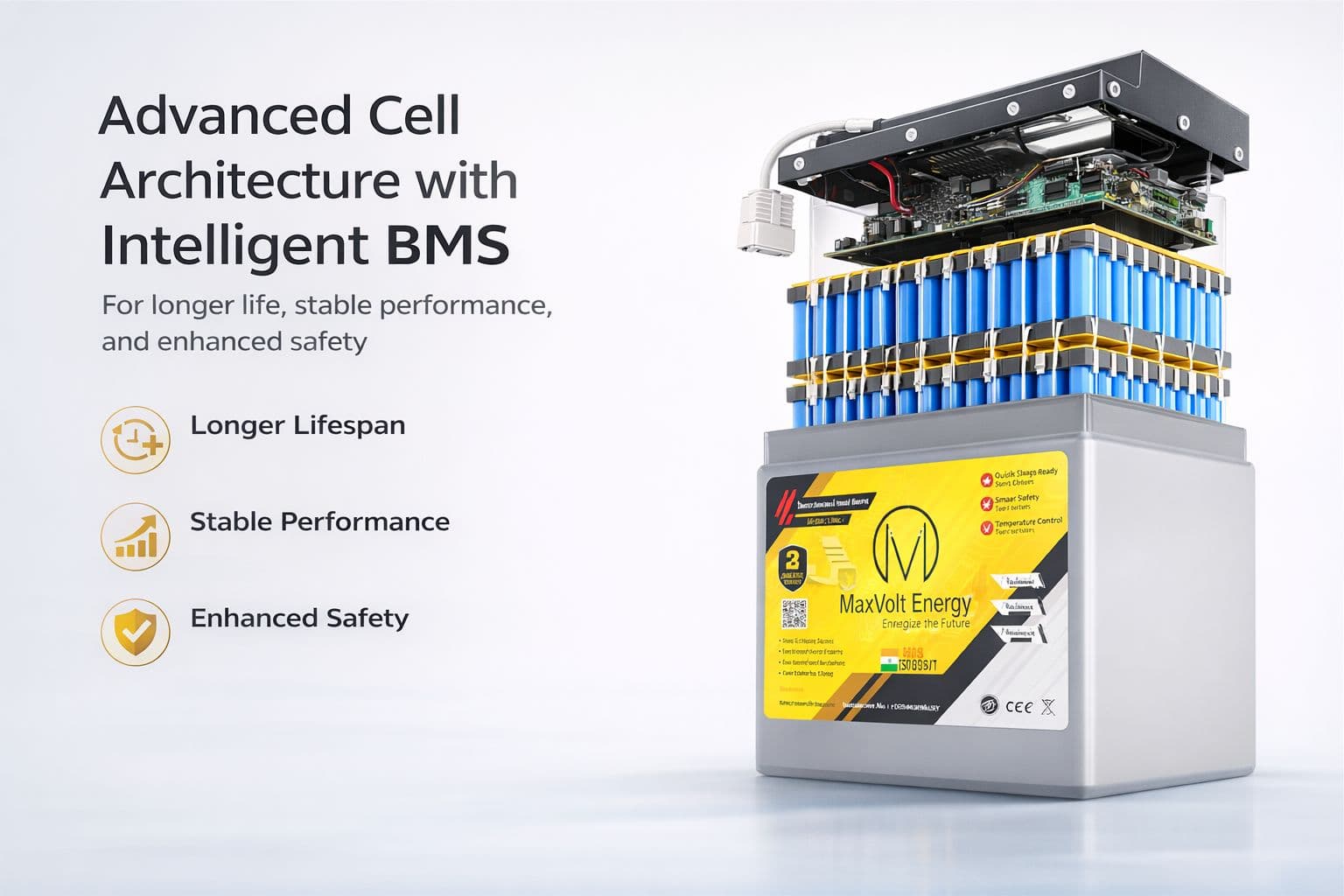
Lithium battery fires make headlines, and that coverage has made some buyers nervous about a technology that, done right, is genuinely safe. The overwhelming majority of publicized incidents trace back to uncertified batteries, damaged cells, missing or defective BMS protection, or incompatible charging — not to lithium chemistry itself.
This guide covers what actually keeps a lithium battery safe, so you can tell the difference between normal operation and a genuine warning sign.
Safe Charging Practices
Use the charger supplied with or specified for your battery — a mismatched charger's voltage or current profile can stress cells in ways the BMS may not fully compensate for. Avoid charging immediately after heavy use while the pack is still hot; let it cool to near room temperature first.
Charge in a ventilated area, away from direct sunlight and flammable materials, and avoid charging unattended overnight as a general precaution — not because it's dangerous under normal conditions, but because early warning signs (unusual heat, smell) are easiest to catch while present.
Safe Storage & Handling
Avoid storing batteries at 0% or 100% charge for extended periods — a partial charge (roughly 50–70%) puts the least long-term stress on cells during storage. Keep batteries out of direct sun and extreme heat, and never puncture, crush, or disassemble a battery case or BMS.
For transport (shipping, or carrying a spare pack), lithium batteries are classified as hazardous materials under UN/DGFT transport regulations — commercial shipment requires UN38.3-compliant packaging and documentation. This mainly affects manufacturers, dealers and couriers rather than individual end users, but it's worth being aware of if you're moving battery stock commercially.
Warning Signs to Stop Use Immediately
Swelling or bulging of the battery case, an unusual burning or chemical smell, visible smoke, excessive heat during charging or use that wasn't present before, or a cracked/damaged casing are all signals to stop using the battery immediately and contact support — do not attempt to keep using or charging a battery showing any of these signs.
A properly certified pack with a functioning BMS is designed to shut down before reaching a dangerous state in the first place — which is exactly why certification and BMS quality (not just the price on the label) are the real safety differentiators between products.
Frequently Asked Questions
Are lithium batteries safe?
With AIS 156 certification and a properly functioning BMS, yes — LiFePO4 in particular is known for strong thermal stability. Most publicized fire incidents involve uncertified packs, damaged cells, or missing BMS protection, not certified lithium chemistry itself.
Is it safe to leave a lithium battery charging overnight?
A certified battery with a proper BMS is designed to stop charging once full, so overnight charging isn't inherently unsafe. As a general precaution, charging in a ventilated space away from flammable materials, and periodically checking for unusual heat, is good practice regardless.
What should I do if my battery feels unusually hot?
Stop charging or using it immediately, move it away from flammable materials if possible, and contact support. Unusual heat that wasn't present during normal prior use is a genuine warning sign, not something to monitor and continue using.
Why is LFP considered the safest lithium chemistry?
LiFePO4's iron-phosphate cathode is more thermally and chemically stable than other lithium chemistries, significantly reducing the risk of thermal runaway — which is why it's the standard choice for e-rickshaws, solar storage and other high-cycle applications.
Explore Further
Have a Question About Lithium Battery Safety: Handling, Storage & Warning Signs?
Talk to our team for sizing help, pricing, or technical guidance — no obligation.