OEM Battery Integration Guide: From Spec to Production
How OEM battery integration actually works — specification, BMS integration, validation, certification and scaling to production.
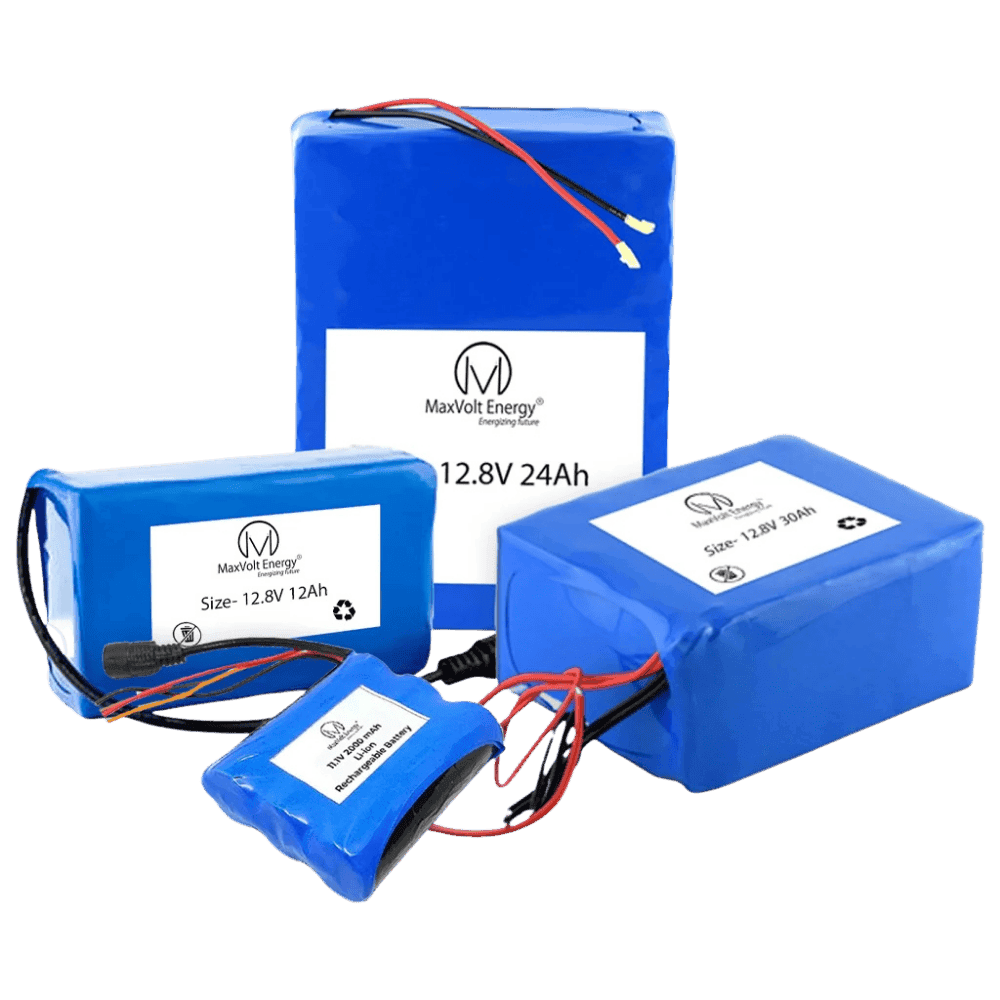
Integrating a battery into a new vehicle or device is a technical process with more moving parts than sourcing a component off a catalog — voltage and form-factor are just the starting point. This is a practical walkthrough for OEM engineering and sourcing teams evaluating a battery partner, written from the manufacturer's side of that process.
1. Specification & Requirements
Integration starts with a full requirement set, not just voltage and capacity: peak and continuous discharge current, physical dimensions and mounting constraints, connector type, operating temperature range, ingress protection rating if applicable, target cycle life, and expected production volume. The more complete this brief, the fewer redesign cycles later.
2. Cell & Chemistry Selection
Chemistry (LFP, NMC, or others) is chosen against the application's actual priorities — cycle life and thermal stability versus weight and energy density — not a default. For vehicle applications specifically, discharge current profile under real operating conditions (acceleration, hill climbs, sustained load) drives cell selection as much as capacity does.
3. BMS Integration
The BMS is tuned to the application, not generic — protection thresholds, balancing strategy, and communication protocol (if the BMS needs to report to a vehicle's controller or a fleet monitoring system) are all configured to the OEM's specific integration requirements, including any CAN bus or similar interface the vehicle platform requires.
4. Sample Validation & Testing
Sample batteries are built to the agreed spec and validated against it — capacity, discharge performance, thermal behaviour under load, and cycle testing where the production timeline allows. This is the stage to catch spec mismatches before committing to tooling or bulk cell orders.
5. Certification
EV-application batteries require AIS 156 Type Approval Certification in India before commercial sale — this is a formal testing and documentation process, not a self-declaration, and needs to be planned into the production timeline rather than treated as a final step. Manufacturing itself should be ISO 9001:2015 certified for consistent quality across production runs. See our full certification guide for what each standard actually verifies.
6. Scaling to Production
Once validated, the design moves from samples to small-batch production, then to full volume — with quality control consistent across the scale-up rather than only rigorous at the sample stage. A manufacturer's ability to hold spec consistently at 10,000+ units a month is a genuinely different capability from building good samples, and worth verifying (production capacity, track record) before committing to a partner.
Common Applications
Frequently Asked Questions
What information does Maxvolt need to start an OEM integration?
Voltage, capacity, peak/continuous current, physical constraints, connector spec, operating environment, target cycle life and expected volume. Our engineering team can work with a partial brief and help fill in gaps during initial discussion.
How long does OEM battery integration take?
It varies with complexity — a close variant of an existing design moves faster than a fully custom form factor. Sample validation and certification timelines are the main drivers; our team provides a project timeline once your requirement is scoped.
Does Maxvolt handle AIS 156 certification for OEM products?
Yes — certification is part of our standard OEM process for EV-application batteries, planned into the project timeline alongside sample validation.
What production volumes does Maxvolt support for OEMs?
Maxvolt manufactures 25,000+ packs per month across its Duhai facility, with capacity to scale OEM programs from initial small batches to full production volume.
Explore Further
Product-level detail on custom pack capabilities.
Start an OEM partnership with Maxvolt.
What AIS 156 and ISO 9001:2015 actually verify.
BMS fundamentals before integration.
Start scoping your OEM requirement.
Have a Question About OEM Battery Integration Guide: From Spec to Production?
Talk to our team for sizing help, pricing, or technical guidance — no obligation.