Made-in-India vs Imported Lithium Batteries: What to Know Before Buying
How to tell whether a lithium battery is genuinely made in India or an imported/rebadged pack, and why the distinction matters.
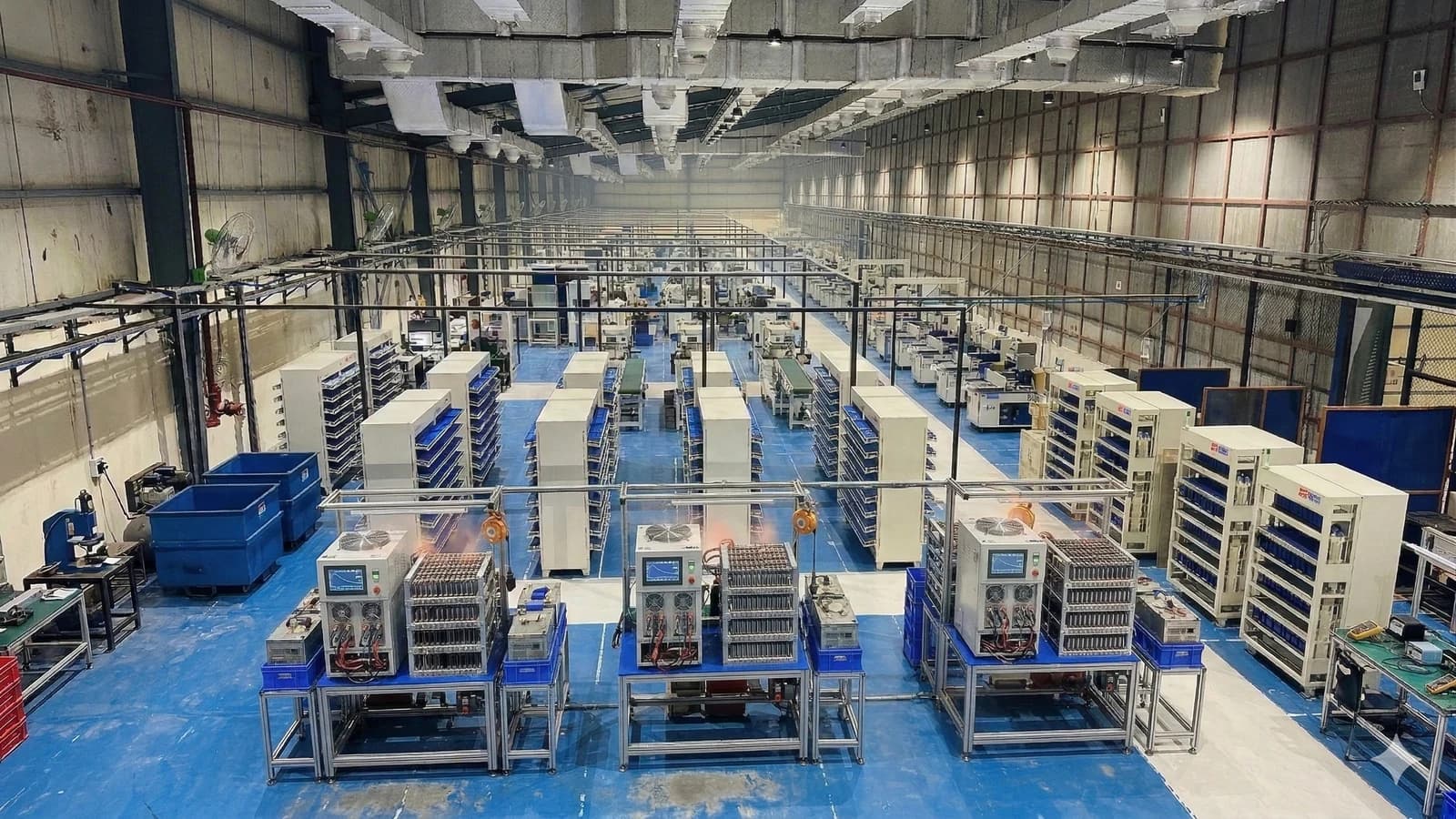
Not every lithium battery sold as an "Indian brand" is actually manufactured in India. A significant share of the market is complete imported packs — sourced finished from overseas cell and pack manufacturers — sold under a domestic brand name with little to no local engineering or manufacturing involvement. That distinction rarely shows up clearly in a product listing, but it has real consequences once something goes wrong.
This isn't an argument that imported is automatically worse — some imported cells are excellent. It's about knowing which one you're actually buying, because the practical consequences (warranty enforcement, service turnaround, compliance accountability) differ a lot between the two.
How to Tell the Difference
Check the GST invoice and manufacturer field: a genuinely domestic manufacturer will show its own GSTIN as the manufacturing entity, with a named Indian factory address — not just a trading/import entity reselling a finished product.
Ask who holds the AIS 156 Type Approval Certificate: under India's AIS 156 battery safety standard, the certificate is issued to the entity responsible for compliance for that specific model. If the seller can't produce a certificate in their own or their principal manufacturer's name, that's worth questioning directly.
Look for a disclosed, nameable factory: a real domestic manufacturer will generally identify its own production facility. A brand that only describes itself as "quality-checked" or "assembled" without naming a manufacturing location is more likely reselling an imported pack.
Why It Matters for Warranty & Service
When a battery is imported and rebadged, the seller in India is often a trading or distribution entity, not the manufacturer. If a fault turns out to be a design or cell-quality issue, resolving it can mean going back through the original overseas manufacturer — a much slower and less certain process than dealing directly with a domestic manufacturer who controls its own supply chain and engineering.
Domestic manufacturers with their own service network can typically turn around a warranty claim, replacement, or repair faster, simply because the accountability chain is shorter — the company that sold it to you is the same one that built it.
The Policy Push Toward Domestic Manufacturing
The Government of India has been actively incentivizing domestic lithium cell and battery manufacturing — including production-linked incentive schemes targeting Advanced Chemistry Cell (ACC) manufacturing — as part of a broader push to reduce import dependence for EV and energy-storage batteries. That policy direction is one more reason the made-in-India distinction is likely to matter more, not less, over the next few years.
Practical Differences: Domestic Manufacturing vs Imported/Rebadged
| Factor | Domestically Manufactured | Imported / Rebadged |
|---|---|---|
| Warranty accountability | Direct — same company built and sold it | Indirect — often routes back through an overseas principal |
| Service & replacement turnaround | Typically faster, local service network | Can be slower, dependent on import logistics |
| Compliance transparency | Manufacturer holds AIS 156 Type Approval directly | May rely on the overseas manufacturer's certification |
| Engineering control | In-house BMS/pack design, adaptable to local conditions | Fixed design, limited local customization |
Frequently Asked Questions
Is an imported lithium battery automatically lower quality?
No — cell and pack quality can be excellent either way. The real difference is accountability: warranty and service are typically faster and more direct with a domestic manufacturer than with an imported, rebadged pack routed through a trading entity.
How do I check if a battery brand actually manufactures in India?
Check the GST invoice for the manufacturer's GSTIN and factory address, and ask for the AIS 156 Type Approval Certificate in the manufacturer's own name for that exact model.
Does Maxvolt Energy manufacture domestically?
Yes — Maxvolt is an AIS 156 and ISO 9001:2015 certified manufacturer with in-house pack assembly and BMS design at its own facility in India. See our Certificates page for the underlying documentation.
Why is the Indian government pushing domestic battery manufacturing?
To reduce import dependence for EV and energy-storage batteries, including production-linked incentive schemes for Advanced Chemistry Cell manufacturing — part of a broader industrial policy push.
Explore Further
Have a Question About Made-in-India vs Imported Lithium Batteries: What to Know Before Buying?
Talk to our team for sizing help, pricing, or technical guidance — no obligation.