Lithium Battery: Types, Chemistry & Buying Guide
What a lithium battery is, how LFP and NMC chemistries differ, where each is used, and what to check before buying.
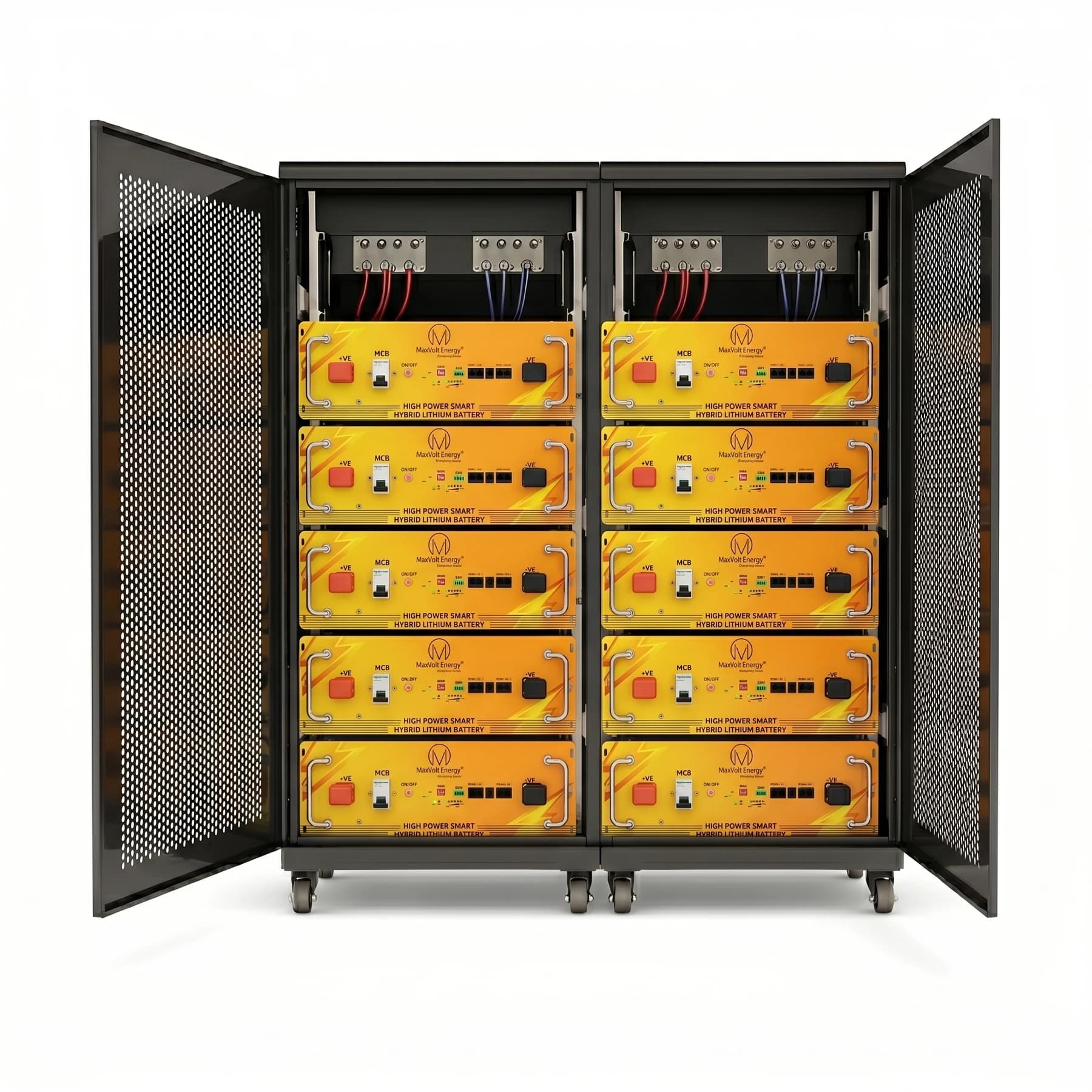
A lithium battery stores energy using lithium ions that move between a positive electrode (cathode) and a negative electrode (anode) during charge and discharge. Compared with lead-acid batteries, lithium packs are lighter, charge faster, last several times longer, and need no water top-ups or acid handling — which is why they've become the default choice across electric vehicles, solar storage, and home backup in India over the last decade.
"Lithium battery" is really an umbrella term covering several distinct chemistries, each with different trade-offs in energy density, cycle life, thermal stability and cost. Picking the right one for an application matters more than the word "lithium" on the label — this guide covers what actually differs between them.
The Main Lithium Battery Chemistries
LiFePO4 (LFP / lithium iron phosphate) is the safest mainstream lithium chemistry, valued for its thermal stability and long cycle life — typically 2,500 to 3,500+ cycles. It's the standard choice for e-rickshaws, solar storage, home inverters and stationary energy storage, where cycle life and safety matter more than shaving off weight.
NMC (nickel manganese cobalt) trades some of that thermal margin for higher energy density — more capacity in a lighter, more compact pack. That makes it the common choice for electric scooters and bikes, where weight and range per kilogram matter directly to the rider.
Both chemistries are "lithium-ion" in the broad sense, and both require a proper Battery Management System (BMS) to operate safely and reach their rated cycle life — the cells alone aren't the whole story.
Why Lithium Replaced Lead-Acid
Lead-acid batteries typically deliver 400–500 cycles and lose meaningful capacity within their first year, especially in Indian heat. A lithium pack rated for 2,000+ cycles at 80% depth of discharge routinely outlasts three or four lead-acid replacements over the same period — which is why the total cost of ownership favors lithium even though the upfront price is higher.
The practical differences compound: lithium packs charge in 2–3 hours versus 6–8 for lead-acid, weigh roughly half as much for the same usable capacity, and need zero water top-ups or acid maintenance. For a vehicle that earns money by the trip — an e-rickshaw or delivery scooter — faster charging alone translates directly into more running hours per day.
What to Check Before Buying a Lithium Battery
Certification: in India, EV batteries should carry AIS 156 (Government of India Battery Safety Standard) certification with a Type Approval Certificate for the specific model — not just a generic claim of compliance.
BMS quality: overcharge, over-discharge, short-circuit and thermal protection, plus active cell balancing, are what actually determine how long a pack lasts in practice, independent of the cell chemistry.
Manufacturer track record: check whether the manufacturer publishes real specifications and certificates, has a service network for warranty support, and manufactures in-house rather than reselling unbranded cells.
Common Applications
Frequently Asked Questions
What is the difference between a lithium battery and a lithium-ion battery?
"Lithium-ion" and "lithium battery" are generally used interchangeably in consumer and EV contexts — both refer to rechargeable batteries using lithium-ion chemistry (as opposed to non-rechargeable lithium metal cells, which are a different, less common category).
How long does a lithium battery last?
It depends on chemistry and usage, but Maxvolt's LFP packs are rated for 2,000–3,500+ deep cycles — typically 5+ years of daily commercial use, versus 1–2 years for lead-acid.
Are lithium batteries safe?
With a proper BMS and AIS 156 certification, yes — LFP chemistry in particular is known for strong thermal stability. Risk rises with uncertified packs, damaged cells, or a missing/poor-quality BMS, not with lithium chemistry itself.
Which is better for India's climate — LFP or NMC?
LFP generally tolerates Indian heat and deep daily cycling better, which is why it's the standard for e-rickshaws and stationary storage. NMC remains the right call where weight and energy density are the priority, such as performance scooters.
Explore Further
A detailed chemistry-by-chemistry comparison.
Cycle life, cost and maintenance compared.
Lithium batteries in electric vehicles specifically.
Why the BMS matters as much as the cells.
Size a lithium pack for your application.
Application-specific packs engineered to spec.
Have a Question About Lithium Battery: Types, Chemistry & Buying Guide?
Talk to our team for sizing help, pricing, or technical guidance — no obligation.