Private-Label Lithium Battery Manufacturer in India: What to Look For
What contract/private-label lithium battery manufacturing actually involves, and what to verify before committing to a partner.
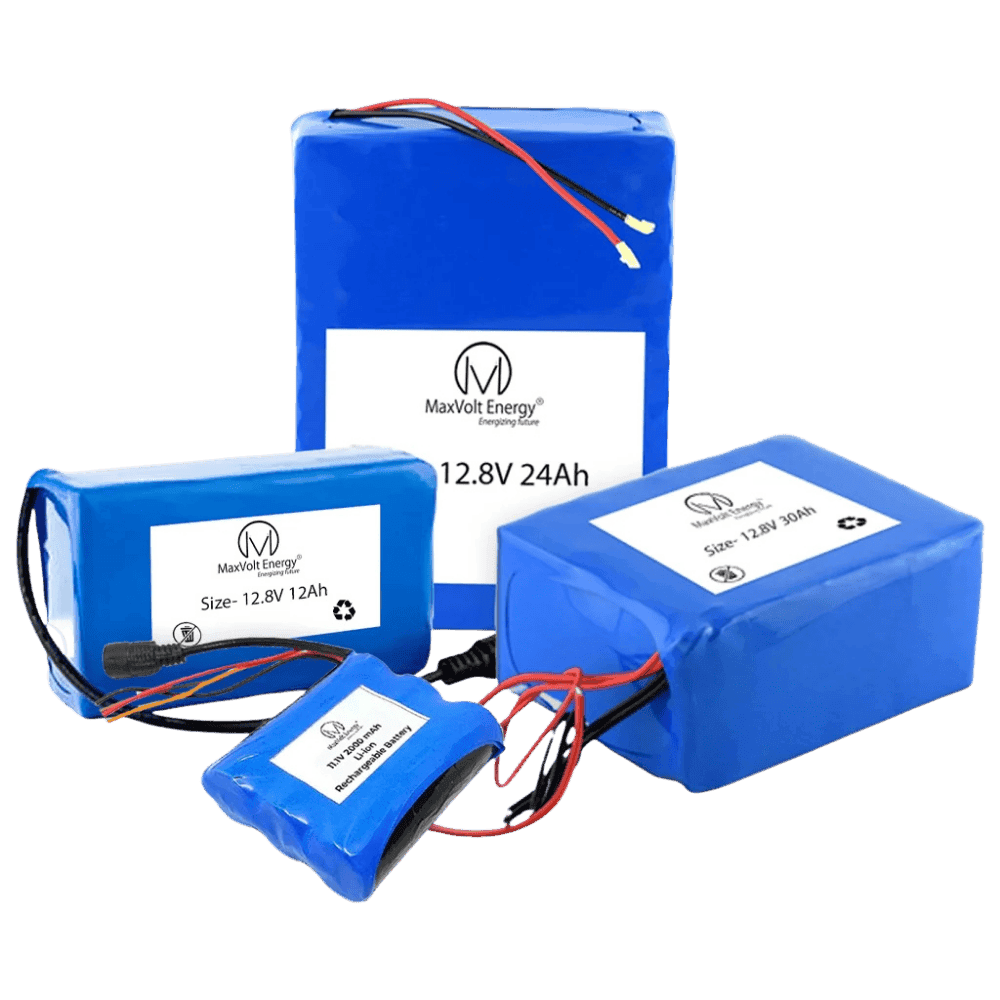
Private-label (or contract) manufacturing means a battery is designed and built by one company but sold under another company's brand — common among EV brands, fleet operators, retailers, and distributors who want a battery with their own name on it without building manufacturing capability themselves.
It's a different relationship than simply buying a finished branded product, and it comes with its own set of things to verify before signing on — most of which aren't obvious until something goes wrong.
How the Process Actually Works
A typical private-label engagement starts with a specification — voltage, capacity, form factor, target application — followed by a prototype build, testing and validation, certification (AIS 156 Type Approval for the specific model), and then production, packaging and labelling under the buyer's brand. The depth of engineering involvement varies a lot between manufacturers: some genuinely co-design the pack and BMS to your spec, others offer a limited menu of existing packs with your logo swapped on.
Minimum order quantities (MOQs) vary significantly depending on how much customization is involved — a relabelled existing SKU typically has a much lower MOQ than a pack engineered from scratch to a new specification.
Who Actually Holds the Certification?
This is the detail private-label buyers most often overlook: AIS 156 Type Approval is issued for a specific model, tied to a specific manufacturing entity. When you private-label a battery, clarify in writing whether the certificate is held by the manufacturer (with your brand as an authorized reseller of that certified model) or whether a separate certification needs to be filed in your own company's name. This affects who is accountable if a regulator or a customer asks to see the certificate.
Quality Control When It's Not Your Own Engineering
Once your brand is on a pack you didn't design, your reputation depends on someone else's quality control. Ask specifically: what BMS protections are built in (overcharge, over-discharge, short-circuit, thermal), what cycle-life testing was actually performed and by whom, and what the manufacturer's defect/return-rate track record looks like with other private-label clients — not just with their own branded line.
What to Confirm Before a Private-Label Agreement
| Consideration | Why It Matters |
|---|---|
| Certification ownership | Determines who is accountable if a regulator or customer asks to verify AIS 156 compliance. |
| Engineering depth vs. relabelling | A co-engineered pack to your spec differs enormously from an existing SKU with a new label. |
| MOQ and lead time | Scales with how much genuine customization is involved — get this in writing early. |
| Warranty pass-through | Clarify whether the manufacturer's warranty terms transfer directly to your end customers, and who handles claims. |
| Defect/return-rate history | Ask for the manufacturer's track record with other private-label partners, not just its own branded products. |
Common Applications
Frequently Asked Questions
What's the difference between private-label and OEM manufacturing?
The terms are often used interchangeably. Generally, "private-label" emphasizes an existing or lightly customized product sold under your brand, while "OEM" can also mean a fully custom pack engineered to your specification — the distinction matters less than clarifying engineering depth and certification ownership directly with the manufacturer.
Who holds the AIS 156 certificate for a private-label battery?
It depends on the agreement — some manufacturers certify the model in their own name with the buyer as an authorized brand, others require a separate certification in the buyer's name. Clarify this in writing before production, since it determines who is accountable to regulators.
What's a typical MOQ for private-label lithium batteries in India?
It varies widely based on customization depth — a relabelled existing model typically has a much lower minimum order than a pack engineered from scratch to a new specification. Get MOQ and lead time in writing early in discussions.
Does Maxvolt Energy offer private-label or OEM manufacturing?
Yes — Maxvolt supports OEM and custom battery programs with in-house pack engineering and BMS design. See our OEM partnership page or contact our team with your specification.
Explore Further
Start an OEM or private-label conversation with Maxvolt.
From spec to certified production.
What AIS 156 and ISO 9001:2015 actually verify.
The broader manufacturer evaluation framework.
Application-specific packs engineered to spec.
Have a Question About Private-Label Lithium Battery Manufacturer in India: What to Look For?
Talk to our team for sizing help, pricing, or technical guidance — no obligation.